
Protecting Your Health, Performance, and Longevity as an Athlete
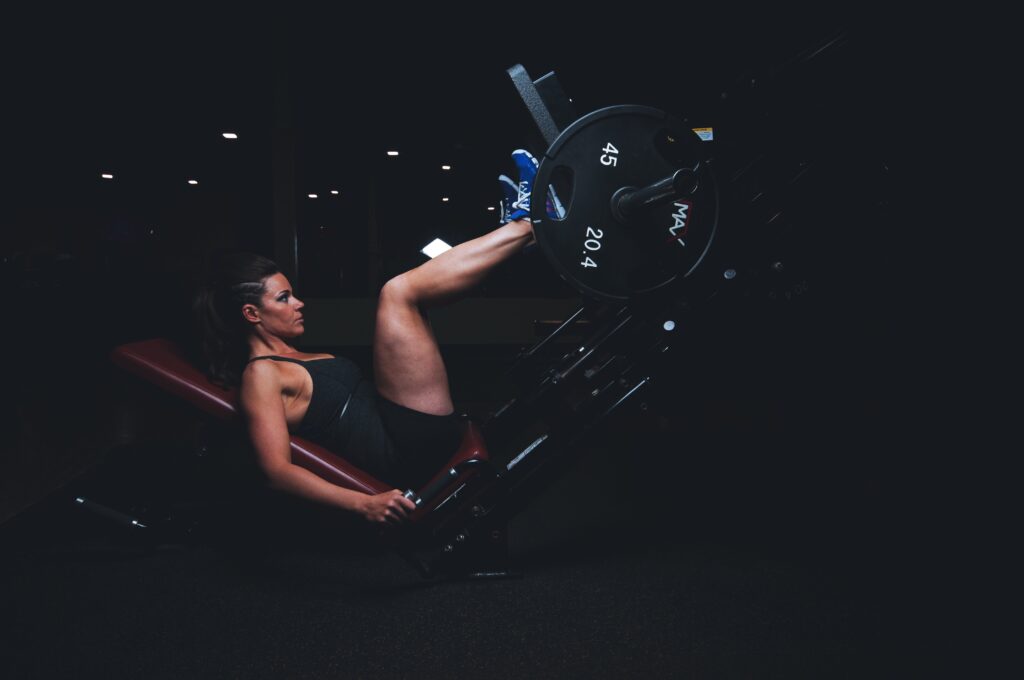
Longevity for athletes isn’t just about living longer. It’s about staying strong, mobile, healthy, and capable of doing the things you love for as many years as possible.
Most athletes spend their time focused on the next race, season, tournament, or fitness goal. Very few stop to think about what their body will feel like ten or twenty years from now. The truth is that many of the habits that improve performance today also influence how well you’ll move, recover, and stay active later in life.
At ifixathletes.com, we often work with athletes who want to keep competing, training, and enjoying an active lifestyle for the long haul. That means paying attention not only to injuries and recovery, but also to the health risks that can quietly affect athletic longevity over time.
Some risk factors are outside your control. Many are not.
Let’s look at six of the biggest factors that can affect longevity for athletes and what you can do to stay ahead of them.
Heart Disease and Longevity for Athletes
Many athletes assume that regular exercise automatically protects them from heart disease. While staying active certainly helps, it doesn’t eliminate the risk.
Heart disease remains one of the leading causes of death worldwide, including among people who exercise regularly. Factors such as family history, high cholesterol, poor sleep, chronic stress, and high blood pressure can all increase risk.
This is why longevity for athletes involves more than training hard. It also means paying attention to your overall health. Regular checkups, healthy eating habits, quality sleep, and stress management all contribute to long-term cardiovascular health.
The American Heart Association offers excellent information on heart health and prevention.
Diabetes Can Affect More Than Your Health
When most people hear the word diabetes, they think about blood sugar. Athletes should think about recovery and performance too.
Poor metabolic health can make it harder for the body to use energy efficiently. Some athletes notice increased fatigue, slower recovery, or difficulty maintaining a healthy body composition long before a diagnosis is ever made.
One of the best things about improving longevity for athletes is that many of the same habits that support performance also support metabolic health. Regular exercise, strength training, healthy nutrition, and proper sleep all play a role.
Why Excess Weight Matters for Athletic Longevity
This isn’t about achieving a certain look or chasing unrealistic body standards.
Carrying excess weight places additional stress on joints, tendons, and the cardiovascular system. Over time, that extra stress can affect movement quality and increase wear and tear throughout the body.
For athletes, maintaining a healthy body composition often means less strain on the knees, hips, ankles, and lower back. It can also make movement more efficient and support better long-term health.
High Blood Pressure Often Goes Unnoticed
One reason high blood pressure is so dangerous is that many people don’t know they have it.
You can feel perfectly healthy while elevated blood pressure slowly increases your risk of heart disease, stroke, and other serious health conditions.
Athletes are not immune. In fact, some athletes are surprised to discover elevated readings during routine physicals.
Monitoring blood pressure regularly is one of the simplest ways to protect longevity for athletes.
Smoking and Athletic Performance Don’t Mix
No matter what sport you play, smoking works against nearly every aspect of athletic performance.
It reduces lung function, affects circulation, slows recovery, and increases the risk of numerous chronic diseases.
For athletes focused on longevity, avoiding tobacco products remains one of the most important decisions they can make. Few lifestyle changes have a greater impact on long-term health.
Injury Prevention Is Part of Longevity for Athletes
Many conversations about longevity focus only on disease, but injuries deserve attention too.
A serious injury can change how you move, train, and recover for years. Repeated injuries often lead to compensations, chronic pain, and reduced activity levels later in life.
This is where recovery becomes important.
Athletes who prioritize mobility, recovery, and movement quality often stay active longer than those who simply push through pain.
If recovery has become a challenge, our Sports Recovery Guide provides practical strategies for staying healthy and active.
Athletes returning from injury may also find helpful information in our Sports Injury Recovery resource on ifixathletes.com
The Connection Between Recovery and Longevity for Athletes
Recovery isn’t something you earn after training. It’s part of training.
Sleep, mobility work, hydration, nutrition, and stress management all influence how well the body repairs itself over time. The athletes who remain active into their 60s and 70s are often the ones who learn this lesson early.
Longevity for athletes isn’t built through a single workout, supplement, or recovery tool. It’s built through years of consistent habits that support both performance and overall health.
Final Thoughts
Most athletes spend years trying to improve performance. The smartest athletes also think about preserving it.
Heart disease, diabetes, excess weight, high blood pressure, smoking, and preventable injuries can all affect longevity for athletes. The good news is that many of these risks can be reduced through everyday choices.
The goal isn’t simply to add years to your life. It’s to add healthy, active years. Whether you’re training for competition or simply want to stay active as you age, the decisions you make today can have a lasting impact on how well you move and feel in the future.