
What is Sports Recovery Massage?
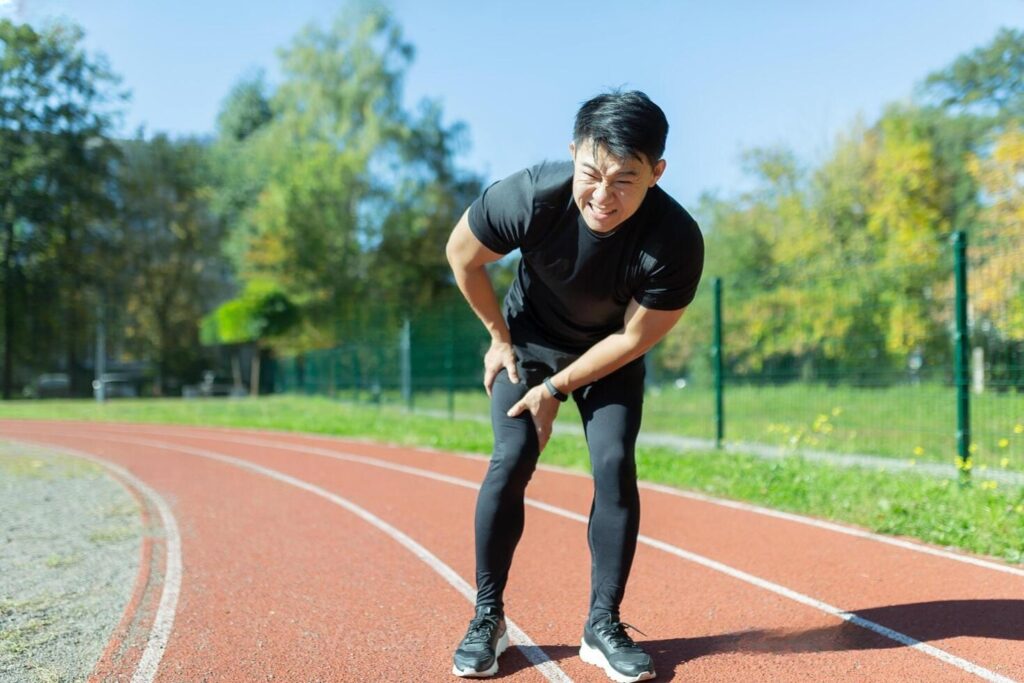
Sports recovery massage is a specialized hands-on treatment that focuses on helping athletes recover between training sessions and competitions. Unlike relaxation massage, the primary goal of sports recovery massage is to reduce muscle tension, and support athletic performance.
Whether you’re a runner, golfer, tennis player, cyclist, or strength athlete, a sports recovery massage plays a critical role in helping your body adapt to training. It has become a popular recovery method because it addresses muscle tightness, movement restrictions, and accumulated fatigue.
Many athletes combine sports recovery massage with mobility training, proper nutrition, hydration, quality sleep for the best results.
If you’re new to recovery planning, see our Sports Recovery Guide on ifixathletes.com
How sports Recovery Massage Works
Athletes put their bodies through a lot as exercise creates stress within muscles and connective tissues. While that stress helps the body adapt and get stronger,but it can also lead to soreness, stiffness, and temporary reductions in mobility and recovery is what allows them them to keep performing at a high level.
Unlike a relaxation massage, sports recovery massage works by applying pressure to muscles, fascia, and surrounding soft tissues. It is designed to target muscle tightness, movement restrictions, and fatigue so you can get back to training feeling your best.
During a session, therapists may use a combination of techniques including:
- Effleurage (long gliding strokes)
- Compression techniques
- Trigger point therapy
- Myofascial release
- Assisted stretching
- Cross-fiber friction
So if you’re constantly dealing with sore muscles, tight hips, or heavy legs after training, sports recovery massage techniques can help improve tissue quality and support recovery between workouts.
Benefits of Sports Recovery Massage
Reduced Muscle Soreness
While soreness is normal after hard training, it can affect movement quality and athletic performance if it lingers too long.
Sports recovery massage may help reduce soreness by:
- Relieving muscle tension
- Improving tissue mobility
- Reducing stiffness
- Promoting relaxation
Many athletes schedule a sports massage after competitions or intense training weeks specifically to manage soreness.
Better Blood Flow
Good circulation plays an important role in recovery as blood carries oxygen and nutrients throughout the body while helping transport metabolic waste products away from working muscles.
According to the Mayo Clinic’s exercise and recovery recommendations, proper recovery is an important part of athletic performance and long-term physical health.
Sports recovery massage supports circulation by increasing blood flow to muscles which helps maintain healthy tissues and supports the body’s natural recovery processes.
Better blood flow can contribute to:
- Faster recovery between sessions
- Reduced muscle tightness
- Improved tissue health
- Better overall recovery outcomes
Improved Flexibility
Tight muscles can limit movement and affect athletic performance as restricted movement can raise potential for injury risk. Sports recovery massage helps address muscular tightness that may limit movement.
Athletes often experience improvements in:.
- Hip mobility
- Shoulder mobility
- Hamstring flexibility
- Ankle mobility
- Overall movement quality
Better mobility often leads to more efficient movement during training and competition.
Sports Massage vs Deep Tissue Massage
Many people assume sports massage and deep tissue massage are the same thing. While they share similarities, they serve different purposes.
Sports Massage
Sports massage is designed specifically for athletic performance and recovery.
Goals include:
- Supporting recovery
- Improving movement quality
- Preparing athletes for competition
- Managing training-related tension
The massage techniques are often tailored to the athlete’s sport, training schedule, and recovery needs.
Deep Tissue Massage
Deep tissue massage focuses on chronic muscular tension and deeper layers of tissue.
Goals typically include:
- Releasing long-standing tension
- Addressing chronic pain patterns
- Improving soft tissue mobility
While deep tissue techniques may be used in sports recovery massage, it is generally more focused on athletic needs and performance.
When Athletes Should Schedule Recovery Massage
Timing matters when scheduling a sports recovery massage as different situations may require different approaches.
After Competition
Many athletes schedule recovery massage after:
- Races
- Tournaments
- Matches
- Multi-day events
These post-event sessions often focus on relaxation, circulation, and reducing muscle tightness.
During Heavy Training Blocks
Periods of high training volume can increase fatigue and muscle tension.
Regular sports recovery massage during demanding periods may help athletes maintain movement quality and manage accumulated fatigue.
During Off-Season Training
The off-season is a great time to address movement restrictions and muscular imbalances.
Regular sports massage sessions alongside strength training and mobility work may help athletes to prepare for the next season.
Before Competition
Pre-event massage sessions are usually shorter and designed to help athletes feel loose and ready to perform.
Recovery Massage for Injury Prevention
No recovery method can completely prevent injuries. However, sports massage may play a valuable role in injury prevention strategy.
Athletes frequently develop:
- Muscle tightness
- Movement restrictions
- Compensation patterns
- Mobility limitations
Addressing these issues early may help reduce unnecessary stress on joints and tissues.
For athletes returning from injury, sports recovery massage works best when combined with strength training, mobility work, and a structured recovery program.
If you’re currently recovering from an injury, visit ifixathletes.com to read our Sports Injury Recovery guide for more recovery strategies.
Common Myths About Sports Massage
Myth #1: Sports Massage Must Be Painful
Many people believe effective sports massage requires intense pressure, this is not true.
In reality, more pressure is not always better. Effective treatment depends on the athlete’s goals, tissue condition, and recovery needs.
Myth #2: Massage Removes Lactic Acid
This is one of the most common myths in sports recovery.
Lactic acid is naturally cleared from the body after exercise. Massage does not “flush out” lactic acid as commonly claimed.
Myth #3: Recovery Massage Replaces Mobility Work
Massage can improve tissue quality, but athletes still need:
- Mobility training
- Strength training
- Proper recovery habits
- Movement assessments
Massage works best as part of a comprehensive recovery plan.
Myth #4: Only Professional Athletes Need Recovery Massage
Recovery massage can benefit athletes at every level.
Whether you’re training for your first 5K, competing in college athletics, or playing recreational sports, recovery remains important.
Building a Complete Recovery Strategy
Sports recovery massage is most effective when combined with other recovery practices.
A complete recovery plan should include:
- Consistent sleep habits
- Proper hydration
- Recovery-focused nutrition
- Mobility training
- Active recovery sessions
- Strength and conditioning
- Performance monitoring
Athletes who combine these strategies often recover more effectively and maintain more consistent performance throughout the year.
For a complete breakdown of recovery methods, visit our Recovery for Athletes resource and Sports Recovery Guide.
Final Thoughts
Sports recovery massage is more than a luxury treatment. It is a practical recovery tool that can help athletes manage soreness, improve mobility, and support long-term performance.
While massage alone will not solve every recovery challenge, it can play an important role in a comprehensive recovery strategy.
By combining sports recovery massage with quality sleep, proper nutrition, hydration, mobility training, and structured recovery planning, athletes can improve recovery outcomes and stay prepared for their next training session or competition.
The most successful athletes understand that recovery is not time away from training, it is an essential part of performance itself.