
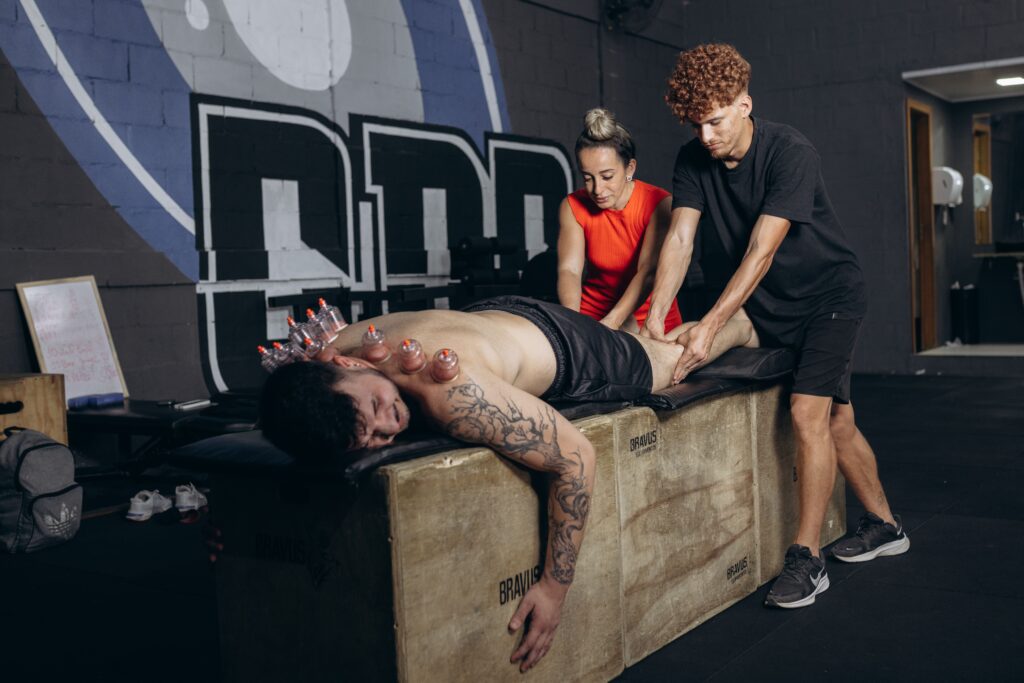
Recovery for Athletes is about more than taking a day off from training. It is the process that allows the body to repair, adapt, and perform at its best. Whether you’re a runner, golfer, tennis player, cyclist, pickleball player, or strength athlete, recovery for athletes plays a major role in performance, injury prevention, and long-term athletic success.
The body adapts between training sessions. Muscles repair, energy stores are replenished, and the nervous system resets. Without proper recovery, performance eventually declines, fatigue accumulates, and injury risk increases.
At ifixathletes.com, we often remind athletes that recovery is not time away from training. Recovery is part of training.
Why Recovery for Athletes Matters
Many athletes believe the secret to improvement is simply doing more. More miles, more workouts, more practice sessions.
In reality, adaptation happens when the body has time to recover from stress.
Every training session places demands on muscles, tendons, joints, connective tissue, and the nervous system. Recovery allows those systems to repair and become stronger.
Athletes who ignore recovery often experience recurring soreness, declining performance, poor sleep, and increased injury risk. Some eventually reach a point where they feel like they’re working harder but seeing fewer results.
Proper recovery helps bridge the gap between effort and improvement.
This is one reason elite athletes often dedicate as much attention to recovery as they do to training itself.
Sleep and Recovery for Athletes
If there is one recovery tool that consistently outperforms every gadget, supplement, and trend, it’s sleep.
Sleep is where much of the body’s repair work takes place. During deep sleep, growth hormone production increases, muscle repair occurs, and the nervous system recovers from physical and mental stress.
Athletes who consistently get enough sleep often recover faster and perform more consistently.
Lack of sleep can affect reaction time, coordination, focus, recovery, and injury risk.
Many athletes underestimate how much sleep they actually need. While general recommendations often suggest seven to nine hours, athletes undergoing heavy training may require even more.
Improving sleep often starts with simple habits:
Maintaining a consistent sleep schedule.
Reducing screen exposure before bed.
Keeping the room cool and dark.
Avoiding excessive caffeine late in the day.
The recovery process becomes significantly more difficult when sleep quality suffers.
Recovery Nutrition for athletes
Training breaks the body down. Nutrition helps rebuild it.
One of the biggest mistakes athletes make is focusing entirely on calories while ignoring nutrient quality.
Recovery nutrition involves providing the body with the resources it needs to repair tissue, replenish glycogen, and support ongoing performance.
Protein plays a major role in muscle repair and adaptation. Carbohydrates help restore energy stores after training. Healthy fats support hormone function and overall health.
Hydration is equally important.
Even mild dehydration can affect recovery, athletic performance, and cognitive function.
Athletes who train multiple times per week often notice substantial improvements simply by paying closer attention to hydration and recovery-focused nutrition.
Recovery becomes more effective when fueling strategies match training demands.
Mobility Training

Many athletes don’t think about mobility until something starts hurting.
Mobility training helps maintain healthy movement patterns and joint function. It supports athletic performance while helping athletes move more efficiently.
Restricted movement in the hips, ankles, shoulders, or thoracic spine can affect everything from running mechanics to lifting technique.
Consistent mobility work may help reduce movement limitations, improve exercise quality, and support long-term athletic health.
Athletes who pair mobility work with soft tissue treatments often notice even greater improvements.
For athletes, recovery isn’t only about resting. It’s also about maintaining the ability to move well.
Active Recovery strategies
One common misconception is that recovery means doing absolutely nothing.
In many situations, light movement can actually support recovery.
Active recovery refers to low-intensity activities that promote circulation without creating significant additional fatigue.
Walking, cycling, swimming, mobility sessions, and easy stretching are all common examples.
The goal is not to improve fitness during these sessions. The goal is to help the body recover from previous training.
Many athletes report feeling less stiff and more energized after active recovery sessions compared to complete inactivity.
Recovery for athletes often works best when periods of hard training are balanced with strategic periods of lighter movement.
Stress Management
Physical stress isn’t the only type of stress athletes face.
Work responsibilities, family obligations, financial pressures, travel schedules, and daily life can all affect recovery.
The body does not always distinguish between physical stress and psychological stress.
When stress levels remain elevated for long periods, recovery can become more difficult.
Many athletes notice that performance declines during periods of high stress, even when training remains unchanged.
Simple strategies such as mindfulness, breathing exercises, journaling, spending time outdoors, and improving sleep habits may help support recovery.
Recovery for athletes includes managing both physical and mental demands.
Recovery Technology for athletes
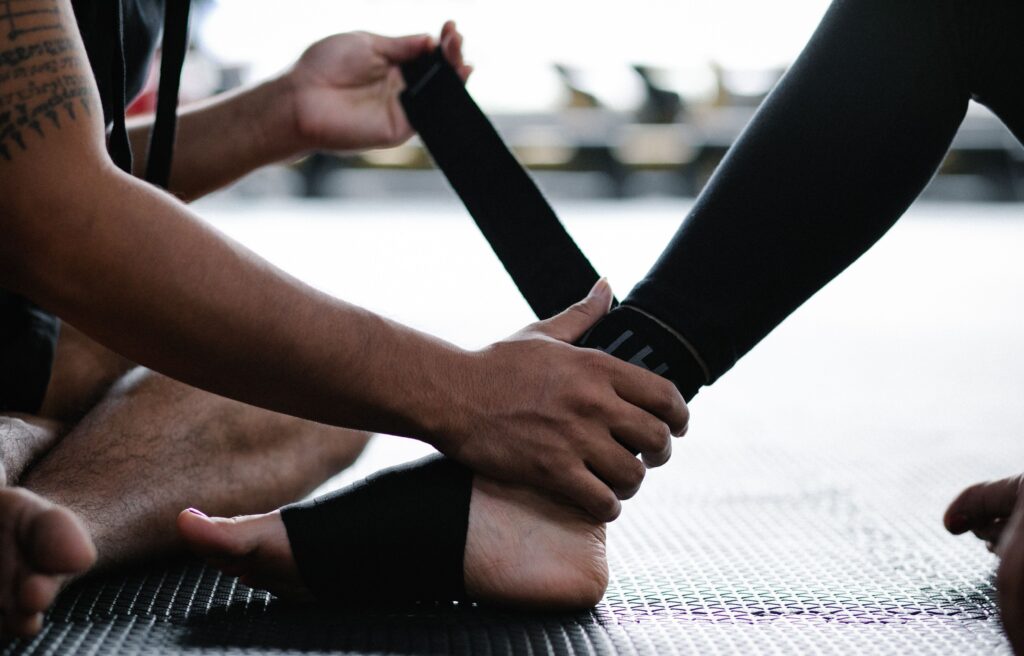
Recovery technology has become increasingly popular in recent years.
Compression boots, massage guns, wearable recovery trackers, infrared therapy devices, and cold-water immersion systems are now common among athletes.
These tools can play a useful role within a larger recovery strategy.
However, technology should not replace the fundamentals.
Sleep, nutrition, hydration, mobility, and stress management continue to provide the greatest return for most athletes.
Technology often works best as a supplement to good recovery habits rather than a replacement for them.
Research from the National Institutes of Health provides ongoing information about recovery, exercise, and human performance:
Frequently Asked Questions
What is the most important recovery habit for athletes?
Sleep is often considered the most effective recovery tool because it supports muscle repair, hormone regulation, and nervous system recovery.
How many recovery days should athletes take?
Most athletes benefit from at least one or two recovery-focused days each week, although individual needs vary.
Does recovery improve athletic performance?
Yes. Recovery for athletes allows the body to adapt to training, repair tissue, and prepare for future performance.
Can athletes overtrain?
Yes. Excessive training combined with inadequate recovery can contribute to overtraining and declining performance.
Are recovery tools necessary?
Not always. Most athletes see the greatest benefits from improving sleep, nutrition, hydration, and mobility before investing heavily in recovery technology.
Final Thoughts
Recovery for athletes is not a luxury. It is a critical part of athletic success.
Athletes who prioritize sleep, recovery nutrition, mobility training, active recovery, stress management, and smart use of recovery technology often perform better and remain healthier over time.
The most successful athletes understand a simple truth: recovery isn’t separate from training. Recovery is what allows training to work.