
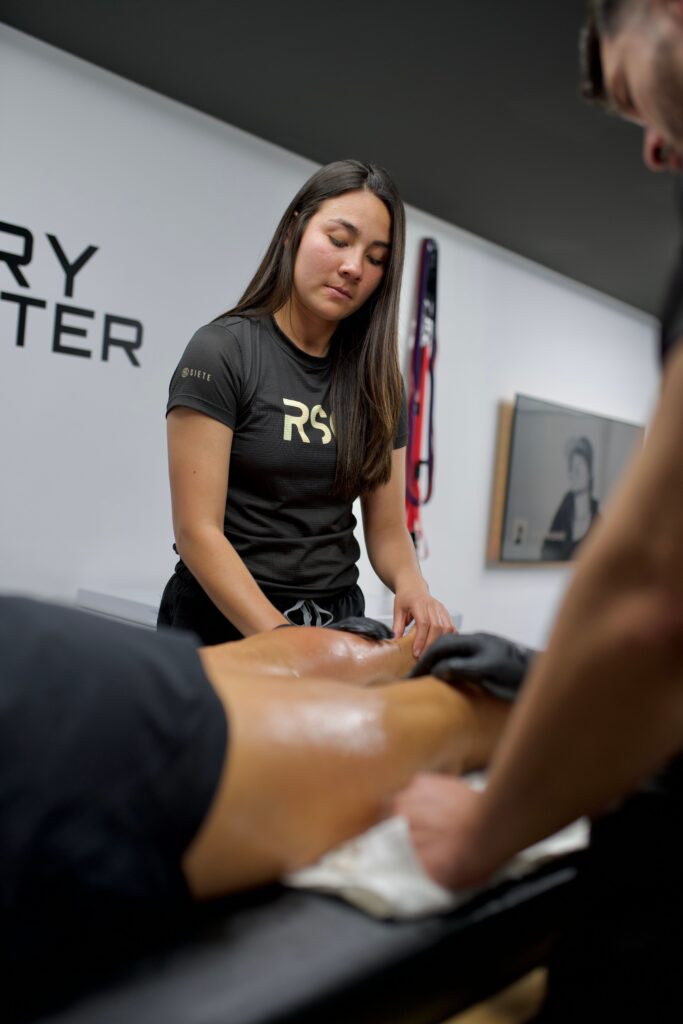
Athletic recovery services have become a major part of modern sports performance. Whether you’re training for a marathon, competing in tennis tournaments, preparing for a golf season, or simply trying to stay active without constant soreness, recovery matters.
Most athletes spend a great deal of time thinking about workouts, training plans, and performance goals. Recovery often receives less attention, even though it plays a major role in how well the body adapts to physical stress.
The right athletic recovery services can help athletes manage fatigue, improve movement quality, reduce soreness, and stay consistent with training. While recovery treatments are not magic solutions, they can support the body’s natural ability to repair and adapt after exercise.
At ifixathletes.com, we often see athletes searching for the latest recovery trend when the real goal should be finding recovery strategies that fit their sport, training demands, and individual needs.
What Are Athletic Recovery Services?
Athletic recovery services are treatments and strategies designed to help athletes recover between training sessions, competitions, and periods of physical stress.
Training creates microscopic damage within muscles and connective tissues. It challenges joints, tendons, ligaments, and the nervous system. Recovery allows the body to repair that damage and prepare for future performance.
Athletic recovery services are intended to support this process.
Some recovery methods focus on circulation. Others focus on mobility, muscle tension, relaxation, or movement quality. Certain services may also help athletes maintain consistency during periods of intense training.
It’s important to understand that recovery services do not replace sleep, nutrition, hydration, or proper training. Instead, they work alongside those fundamentals.
Athletes often get the best results when recovery services are combined with strong recovery habits.
Why Recovery Matters for Athletes
Every athlete wants to improve performance, but progress doesn’t happen only during training.
When athletes fail to recover properly, performance can begin to decline. Soreness lingers longer, fatigue accumulates, and small movement restrictions may become larger issues over time.
Recovery also affects consistency, as a runner dealing with constant tightness may struggle to complete planned mileage. A golfer experiencing back stiffness may lose swing efficiency. A tennis player recovering poorly between matches may notice slower reaction times and reduced endurance.
Athletic recovery services can help athletes stay ahead of these challenges by supporting the recovery process before small problems become major setbacks.
Many elite athletes dedicate as much attention to recovery as they do to training because they understand that performance and recovery are closely connected.
Popular Athletic Recovery Treatments
The number of available recovery treatments has expanded dramatically in recent years. Some are backed by stronger evidence than others, but several have become common tools within athletic recovery programs.
Compression Therapy
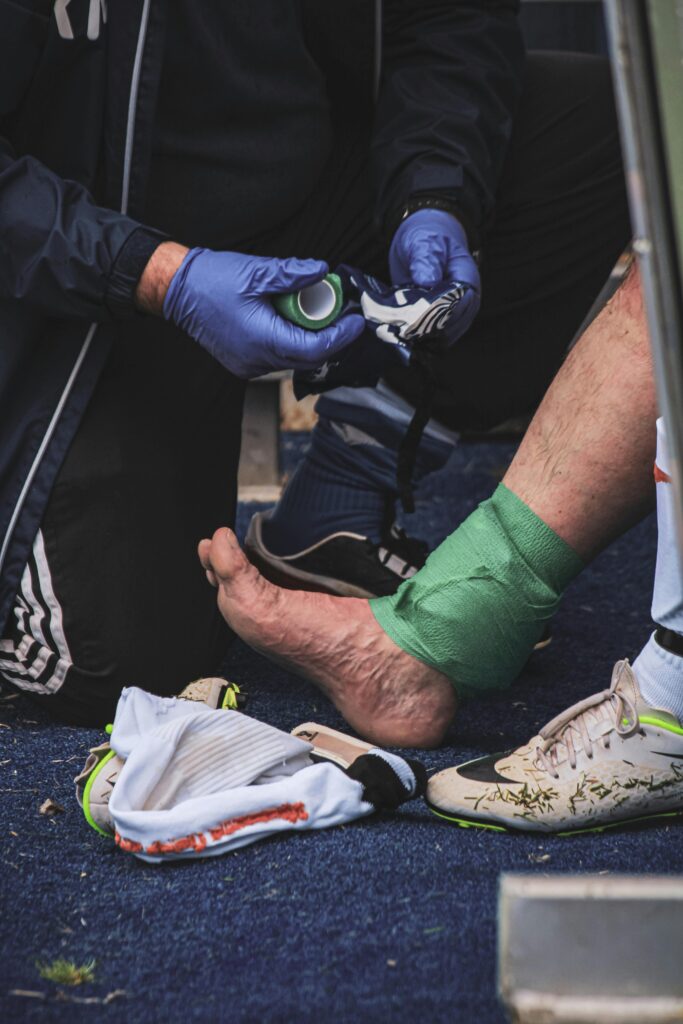
Compression therapy uses controlled pressure to encourage circulation and support recovery.
Many athletes use compression boots after hard training sessions, races, or competitions. The goal is to promote blood flow and reduce the feeling of heavy or fatigued legs.
Runners, cyclists, and endurance athletes frequently incorporate compression therapy into recovery routines during periods of heavy training.
While compression therapy is not a replacement for proper recovery habits, many athletes report feeling less stiff and more refreshed after sessions.
Infrared Therapy

Infrared therapy has become increasingly popular among athletes looking for additional recovery options.
Unlike traditional saunas, infrared systems use light energy to create heat within the body.
Athletes often use infrared therapy to promote relaxation after training and competition. Some also find it useful as part of a broader recovery routine that includes mobility work, hydration, and quality sleep.
While research continues to evolve, many athletes enjoy infrared therapy because it provides a low-impact recovery experience that can complement other recovery strategies.
Massage Therapy
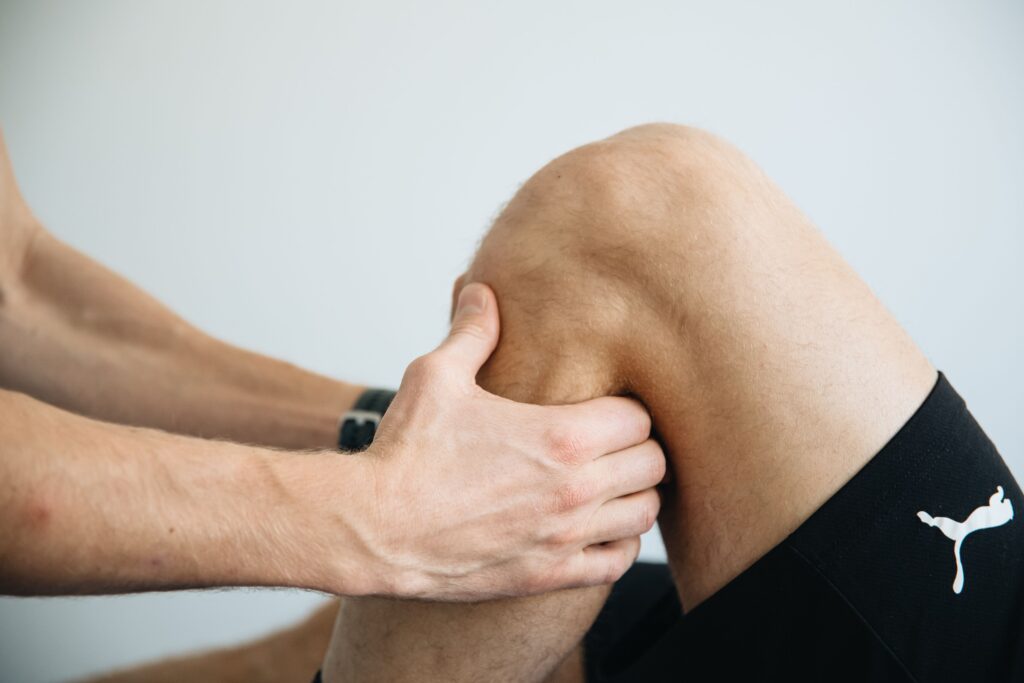
Massage remains one of the most widely used athletic recovery services.
Athletes often seek massage therapy to address muscle tightness, improve tissue quality, and support mobility.
Sports massage differs from a traditional relaxation massage because the treatment is typically tailored to athletic demands and recovery goals.
A runner may focus on calves and hips. A golfer may address rotational restrictions. A tennis player may need attention in the shoulders and upper back.
Massage works particularly well when combined with mobility training and structured recovery habits.
To learn more, visit our Sports Recovery Massage guide on ifixathletes.com.
Mobility Therapy
Mobility therapy focuses on improving how the body moves.
Many athletes spend years building strength and endurance but very little time maintaining mobility. Over time, this can create movement restrictions that affect performance.
Mobility therapy often includes guided movement assessments, corrective exercises, stretching techniques, and mobility drills designed to improve movement quality.
Golfers frequently work on thoracic rotation and hip mobility. Runners often address ankle mobility and hip movement. Tennis players may focus on shoulder mobility and rotational control.
The goal is not simply to become more flexible. The goal is to move more efficiently.
Many athletes find that mobility therapy improves both performance and comfort during training.
Choosing the Right Recovery Plan
Not every athlete needs every recovery treatment.
The best recovery plan depends on several factors, including sport, training volume, injury history, age, mobility restrictions, and recovery goals.
An endurance athlete training six days per week may benefit from compression therapy and active recovery sessions.
A strength athlete dealing with movement restrictions may benefit more from mobility therapy and sports massage.
A golfer experiencing stiffness between rounds may prioritize mobility work and recovery-focused soft tissue treatments.
Rather than chasing every recovery trend, athletes should focus on the methods that address their specific needs.
Consistency almost always produces better results than constantly switching between different recovery tools.
Recovery Services for Different Sports
Different sports place different demands on the body.
Runners often accumulate significant stress through the lower body. Recovery plans frequently focus on mobility, soft tissue work, hydration, and compression therapy.
Golfers rely heavily on rotational movement. Recovery programs often target the hips, thoracic spine, and shoulders to maintain swing efficiency.
Tennis and pickleball athletes place repetitive demands on the shoulders, elbows, hips, and knees. Mobility therapy and massage are commonly used to support movement quality and recovery between matches.
Cyclists spend long periods in fixed positions, making mobility work particularly important for the hips, back, and shoulders.
Strength athletes often benefit from recovery services that address tissue quality, joint mobility, and accumulated training fatigue.
No matter the sport, recovery should be tailored to the athlete rather than copied from someone else’s routine.
Recovery Services and Injury Prevention
No recovery service can completely prevent injuries.
However, athletic recovery services can play an important role in helping athletes maintain healthy movement patterns and identify potential problems early.
Athletes frequently develop muscle tightness, mobility restrictions, compensation patterns, and areas of excessive tension. Left unaddressed, these issues can affect movement mechanics and training quality.
Recovery services may help athletes stay aware of these limitations before they become larger concerns.
Research from the National Institutes of Health continues to explore how recovery, movement quality, exercise, and physical function influence long-term athletic health.
Recovery services work best when combined with quality sleep, proper nutrition, hydration, strength training, and smart workload management.
Frequently Asked Questions
What are athletic recovery services?
Athletic recovery services are treatments and strategies designed to support recovery between workouts, competitions, and training cycles.
Which athletic recovery services are most effective?
Sports massage, mobility therapy, compression therapy, quality sleep, and proper nutrition are among the most commonly used recovery strategies.
Do professional athletes use athletic recovery services?
Yes. Many professional athletes use recovery services regularly as part of their overall performance and recovery plans.
Can athletic recovery services prevent injuries?
No service can completely prevent injuries, but recovery treatments may help address movement restrictions and support healthy movement patterns.
Are athletic recovery services worth it?
For many athletes, recovery services can be valuable when they address specific recovery needs and are combined with good recovery habits.
Final Thoughts
Athletic recovery services can be valuable tools for athletes looking to manage soreness, improve mobility, support performance, and recover more effectively between training sessions.
The most effective recovery plans rarely rely on a single treatment. Instead, they combine quality sleep, recovery-focused nutrition, mobility training, hydration, and carefully selected recovery services that match the athlete’s goals.
Whether you’re a runner, golfer, tennis player, cyclist, pickleball player, or strength athlete, recovery deserves the same attention as training. The better you recover, the more consistently you can perform.