
Athlete hip mobility plays a major role in how well the body moves, performs, and recovers. Whether you’re a runner, golfer, tennis player, pickleball player, cyclist, or strength athlete, the ability to move freely through the hips affects nearly every athletic movement you make.
Many athletes focus on strength, speed, endurance, and skill development while overlooking mobility. The problem is that limited movement in the hips can quietly influence performance long before pain or injury appears. Tight hips can affect running mechanics, squat depth, rotational power, balance, and even recovery between training sessions.
At ifixathletes, mobility is often one of the first areas evaluated when athletes experience recurring discomfort, movement limitations, or unexplained drops in performance. Improving hip function can often unlock better movement quality throughout the entire body.
What Is Athlete Hip Mobility?
When people hear the word mobility, they often think about stretching. While flexibility is part of the equation, mobility is much more than simply touching your toes or holding a stretch.
Athlete hip mobility refers to the ability of the hip joint to move through its full range of motion while maintaining control, stability, and strength. Healthy hips allow athletes to squat, rotate, run, jump, lunge, and change direction efficiently.
The hips are among the most important joints in the body because they connect the lower and upper body. When movement becomes restricted, the body often compensates elsewhere.
For example, if the hips cannot rotate properly during a golf swing, extra stress may be placed on the lower back. If a runner lacks hip extension, stride efficiency may decrease and other joints may absorb more impact than intended.
Mobility is not about becoming exceptionally flexible. It is about maintaining the movement capacity required for your sport and daily life.
Why Athlete Hip Mobility Matters
Few joints influence athletic performance as much as the hips.
Nearly every athletic movement relies on the hips to generate force, absorb impact, and transfer energy throughout the body.
A sprinter uses hip extension to create speed. A golfer relies on hip rotation to generate power. A tennis player depends on hip mobility when changing direction and reaching difficult shots. A strength athlete needs adequate hip movement for safe and efficient squatting.
When hip function becomes restricted, athletes often notice subtle changes before major symptoms appear.
They may feel stiff during warm-ups. They may struggle to achieve proper exercise positions. Some notice recurring soreness in the lower back, knees, or hamstrings.
In many cases, the body is simply finding alternative ways to move around a limitation and improving movement at the hips often helps restore more efficient mechanics throughout the kinetic chain.
This is one reason mobility work is frequently included in comprehensive recovery plans.
For a complete approach to recovery, see the ifixathletes.com Recovery for Athletes guide.
Signs of Poor Hip Mobility
Athletes often assume limited movement is a normal part of training. While some stiffness can occur after intense exercise, persistent restrictions deserve attention.
One common sign is difficulty achieving proper squat depth. An athlete may notice their heels lifting or their lower back rounding excessively during squats.
Others experience tightness during lunges, rotational movements, or sprinting.
For golfers and tennis players, reduced rotational range can lead to decreased power generation.
Runners may notice shortened strides or recurring tightness around the hips and hamstrings.
Another common sign is discomfort in areas that are not actually the source of the problem.
Restricted hips frequently contribute to:
- Lower-back tightness
- Knee discomfort
- Hamstring tension
- Reduced rotational power
- Decreased balance
Addressing mobility limitations early may help improve movement efficiency before compensation patterns become more established.
Common Causes of Hip Mobility Restrictions
Mobility limitations rarely develop overnight.
Instead, they usually result from a combination of factors that accumulate over time.
One major contributor is prolonged sitting.
Many athletes spend hours sitting at desks, driving, or traveling. Remaining in one position for long periods can contribute to tight hip flexors and reduced movement quality.
Previous injuries can also affect mobility.
Even after pain disappears, athletes may continue moving differently to protect an area that was previously injured.
Repetitive movement patterns are another factor.
Runners, cyclists, and certain field sport athletes often repeat similar movements thousands of times. While repetition builds sport-specific skills, it may also contribute to mobility restrictions if not balanced with movement training.
Recovery habits matter as well.
Athletes who consistently neglect mobility work, sleep, hydration, and recovery often find movement limitations becoming more noticeable over time.
Athlete Hip Mobility and Athletic Performance
Performance and movement quality are closely connected. Athletes who move efficiently generally waste less energy and produce force more effectively. Consider a golfer attempting to generate clubhead speed. Limited rotation through the hips may force the lower back to compensate.
A tennis player with restricted hip movement may struggle to change direction quickly. same way a runner lacking hip extension may lose stride efficiency with every step.
Small limitations repeated thousands of times can have a meaningful impact on performance.
Athlete hip mobility supports:
- Efficient force production
- Rotational power
- Running mechanics
- Balance and stability
- Change-of-direction ability
- Overall movement quality
Mobility alone will not make an athlete faster or stronger. However, it helps create the movement foundation needed to express strength and athleticism effectively.
Mobility vs Flexibility
Mobility and flexibility are often used interchangeably, but they are not the same thing.
Flexibility refers to the ability of a muscle to lengthen.
Mobility refers to the ability to actively move through a range of motion with control.
An athlete may have flexible hamstrings yet still struggle with mobility during dynamic movements.
Think of flexibility as potential movement and mobility as usable movement.
Athletes need both, but mobility tends to have a greater influence on sport performance because it involves strength, coordination, stability, and control.
This distinction becomes increasingly important as athletes age and begin focusing on long-term movement health.
How Hip Mobility Supports Recovery
Recovery involves more than rest.
Effective recovery helps athletes maintain healthy movement patterns while preparing the body for future training.
Restricted movement often creates compensations that increase physical stress elsewhere.
By maintaining healthy hip function, athletes may move more efficiently and experience less unnecessary strain during training.
Mobility work is frequently combined with recovery-focused strategies such as:
- Sports massage
- Active recovery
- Hydration
- Sleep optimization
- Strength training
If you want to learn how soft tissue therapy supports movement quality and recovery, read the ifixathletes.com Sports Recovery Massage guide.
Exercises That Improve Hip Function
The best mobility programs are often simple and consistent.
Rather than spending hours stretching, athletes usually benefit from a few targeted exercises performed regularly.
Dynamic warm-ups often work particularly well because they prepare the body for movement while improving range of motion.
Exercises commonly used include:
- Hip circles
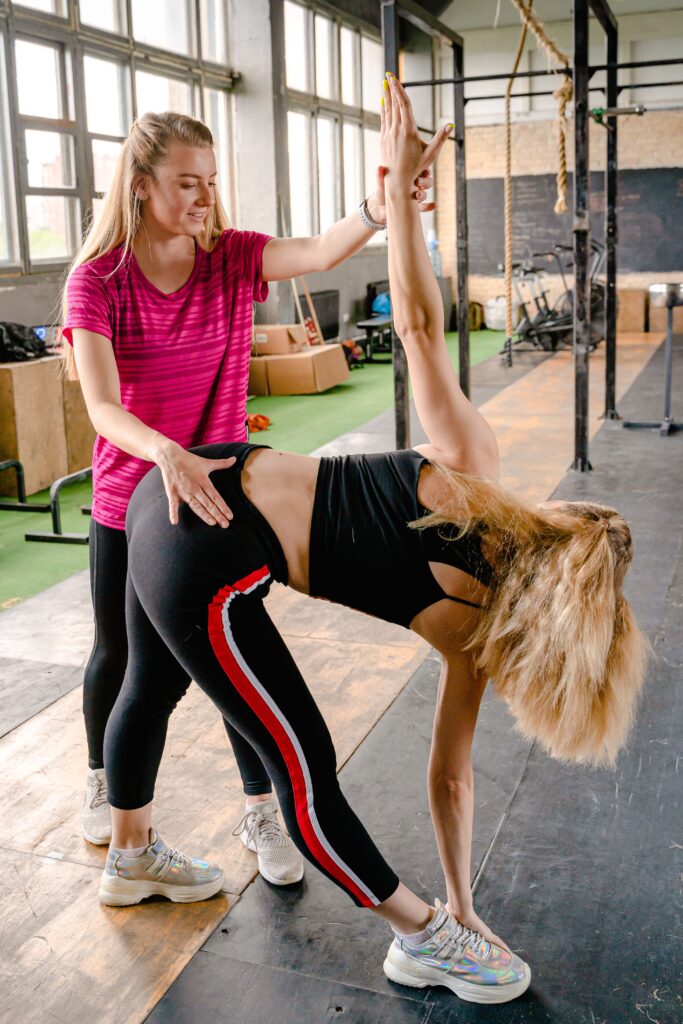
- World’s greatest stretch
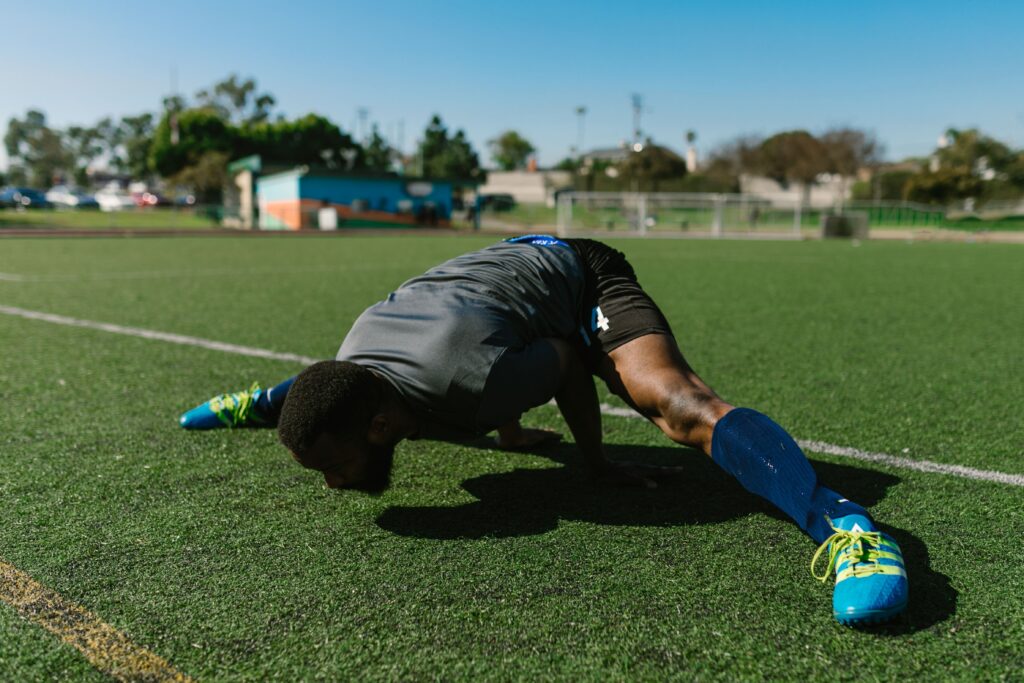
- Deep squat holds
- 90/90 hip rotations
- Walking lunges
- Leg swings
The goal is not to force movement.
Instead, mobility training should gradually improve control and movement quality over time.
Athletes who stay consistent with mobility work often notice meaningful improvements within a few weeks.
Athlete Hip Mobility and Injury Prevention
No exercise program can completely eliminate injury risk.
However, movement quality remains an important part of injury prevention.
When mobility becomes restricted, the body frequently compensates by placing greater stress on neighboring joints and tissues.
For example, limited hip movement may increase demands on the lower back or knees.
This does not guarantee injury, but it may contribute to inefficient movement patterns over time.
Many sports medicine professionals include mobility assessments as part of broader injury prevention programs.
The goal is not perfection, it is to identify limitations that may affect movement efficiency and athletic performance.
Research available through the National Institutes of Health highlights the importance of maintaining physical function and movement quality throughout life.
Athlete Hip Mobility for Aging Athletes
One of the biggest myths in sports is that stiffness is simply part of getting older.
While aging affects tissues and recovery capacity, many mobility losses are influenced by lifestyle, training habits, and inactivity.
Athletes who continue prioritizing movement often maintain impressive physical function well into later decades.
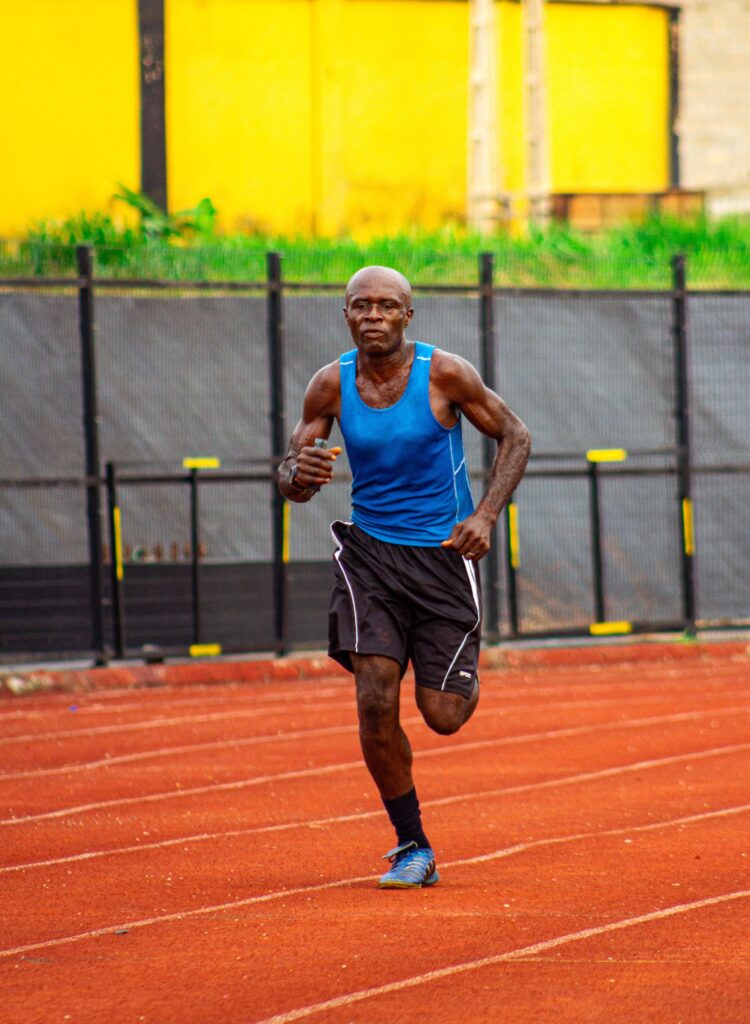
You can see this among experienced golfers, masters runners, older tennis players, and long-time strength athletes who continue participating in their sports.
The goal changes slightly with age.
You may not be chasing personal records forever, but maintaining healthy movement allows you to remain active, independent, and engaged in the activities you enjoy.
This is where mobility becomes closely connected to longevity.
Protecting movement today can help preserve athletic participation for years to come.
Frequently Asked Questions
What is athlete hip mobility?
Athlete hip mobility is the ability to move the hips through a full range of motion with strength, stability, and control.
Why is hip mobility important for athletes?
Healthy hip movement supports performance, movement quality, recovery, and efficient force production during athletic activities.
Can poor hip mobility cause back pain?
In some cases, restricted movement may contribute to compensation patterns that place additional stress on the lower back.
How often should athletes train mobility?
Most athletes benefit from mobility work several times per week, even if sessions only last five to ten minutes.
Does mobility improve performance?
Mobility supports efficient movement patterns, which can positively influence athletic performance when combined with proper training.
Final Thoughts
Athlete hip mobility influences far more than flexibility. It affects how efficiently you move, how well you perform, and how effectively you recover from training.
Whether you’re sprinting, lifting, running, golfing, cycling, or playing tennis, healthy hip function helps create a strong foundation for athletic movement.
The athletes who stay active and perform well over the long term are often the ones who pay attention to movement quality before problems develop. By making mobility part of your routine, you can support performance today while protecting your ability to stay active in the years ahead.